You wake each morning with twenty-four hours in your pocket — the same sum handed to the billionaire and the clerk, free, before you have earned a thing.
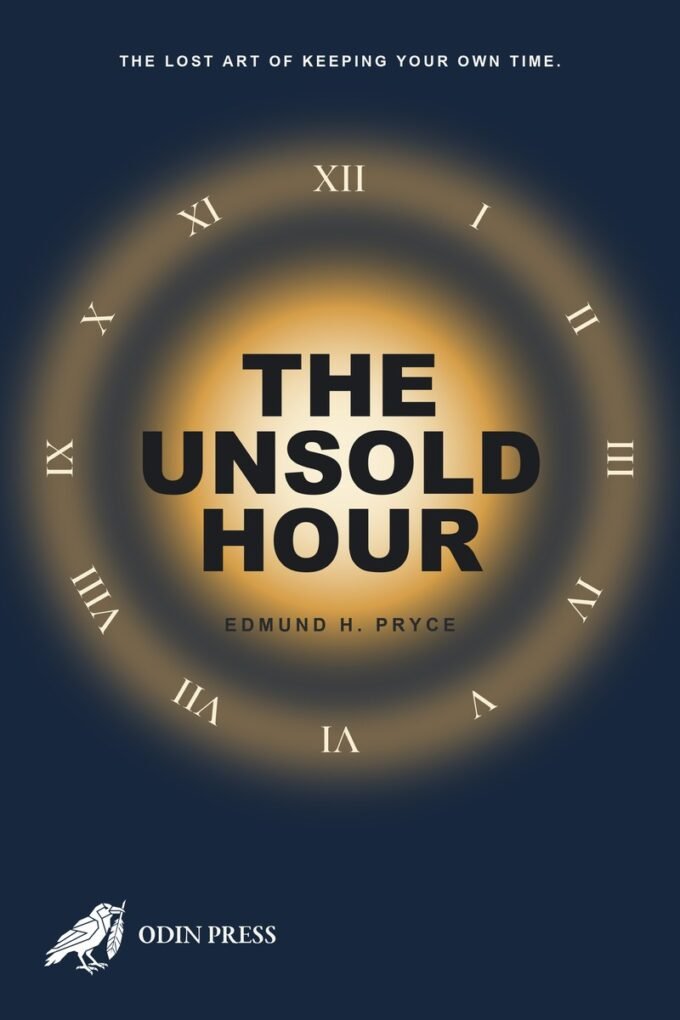
The Unsold Hour
The lost art of keeping your own time.
Lost, yesterday, somewhere between sunrise and sunset, two golden hours, each set with sixty diamond minutes. No reward is offered, for they are gone forever.— Horace Mann (1796–1859)
About this book
You wake each morning with twenty-four hours in your pocket — the same sum handed to the billionaire and the clerk, free, before you have earned a thing. By nightfall it is gone, and you cannot say where. That is not a time-management problem. It is the oldest and most expensive mistake there is, and no productivity system on earth will fix it, because the question was never how to fill your hours faster. The question is whose they are.
In The Unsold Hour, a retired borders stationmaster who spent thirty-eight years watching the same people sell the best hours of every day takes you to the one place the truth comes out: the platform, where a life can be read off a face. Braiding four public-domain masters — Bennett, Seneca, Stevenson, Emerson — into a single bracing argument, he shows that a wage is rent on your own days, that busyness is a symptom and not a virtue, and that the only real wealth a person can hold is to own the hours still in his hand.
This is not a book about saving time. It is about refusing, at last, to keep selling it. Read it before you spend another day you will wish you had back.
Contents
- Preface
- 1The Two Travellers
- 2All the Time There Is
- 3The Day You Sell
- 4The Busy Man Lives for Everyone but Himself
- 5It Is Not That We Have a Short Time
- 6The Reckoning of the Hours
- 7The Margins of the Day
- 8An Apology for the Idle Hour
- 9A Day of One’s Own
- 10He Only Is Rich Who Owns the Day
- 11The Courage to Keep an Hour
- 12The Last Train
- About the Author
The covers