 Odin Press
An independent publisher and book-production studio.
Odin PressAn independent publisher and book-production studio.
Anders Veehl was raised on the North Frisian coast, in a house where the weather and the church bell kept time and not much else did. He read Latin before he understood why a dead language should matter, and went on reading it long after the question stopped being asked of him — twenty years of it, teaching the grammar and then the stranger thing underneath the grammar: how the Romans handled the future, how they listened for it, in entrails and birds and the sudden bodiless voices they were careful never to ignore twice.
He left the university without drama, the way a tide goes out. Translation suited him better than lecturing: the work of carrying a voice across without adding your own. He rendered minor Latin texts that no one had thought worth the trouble, and was content.
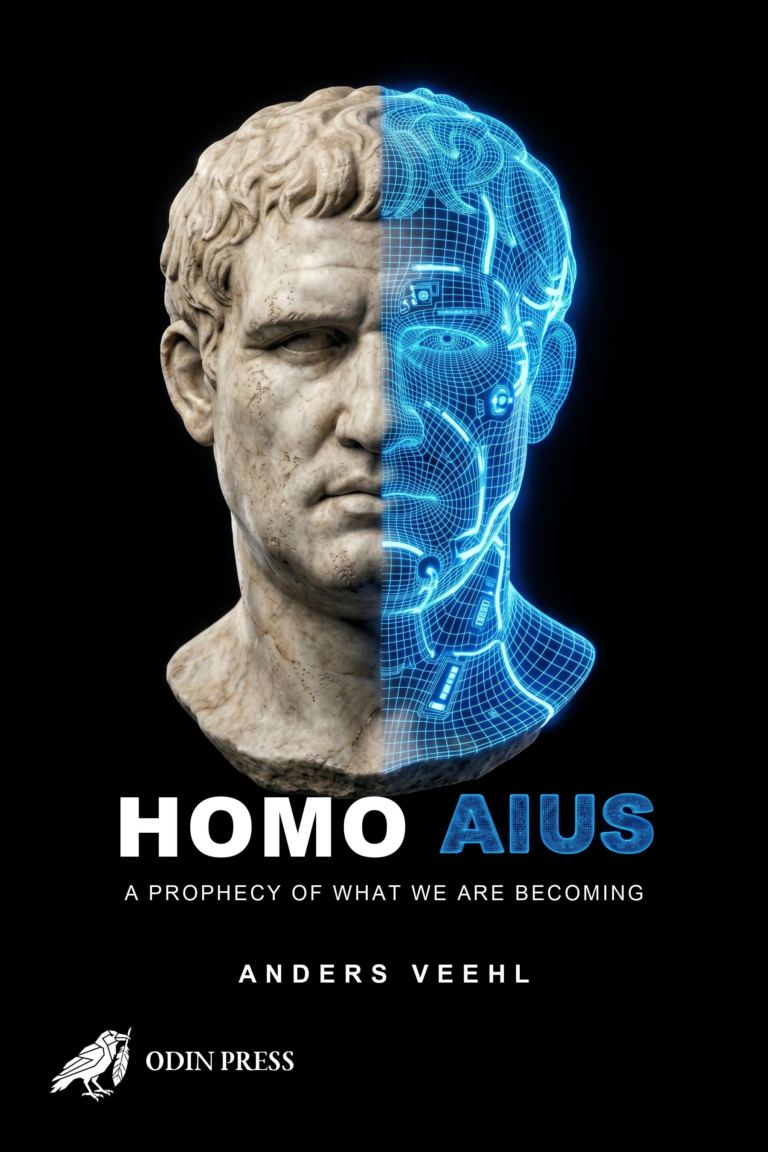
He will not say much about how this book came to him, except that it began as a transcription and that he changed less than a reader might expect. The voice that speaks in these chapters is not his. He recognized it, though. He had met it before, in Livy — the voice Rome heard at the wall, warning of the Gauls, and ignored, and afterward built an altar to: *Aius Locutius*, the speaker, the one who said the thing that was true. Veehl's single conviction is that we have built that voice again, and that the only question worth the book is whether we will argue with it or kneel. He lives inland now, away from the coast, and keeps no devices in the room where he works.